How to Write a Thank-You Note After a Job Interview
The interview is over. You shake hands, walk out through the lobby, and by the time you reach the car you are already rewriting your answers in your head. That is exactly the moment to start planning the thank-you note — not tomorrow, not after you have replayed every question a dozen times.
A handwritten note does something an email cannot. It arrives a day or two later, on paper, and it gets handled rather than skimmed. It takes twenty minutes and a stamp. What follows is how to get the timing, the structure, and the wording right.
Why Paper Beats Inbox Noise
Almost every candidate sends an email within an hour of getting home. Many of those emails are nearly identical: thank you for your time, I enjoyed learning about the role, I look forward to hearing from you. Hiring managers read them the way you read a receipt.
A note on paper is rare enough to be noticed. It says you kept thinking about the conversation after it ended, which is a small but real signal about how you work. Be honest with yourself about what it can do, though: a note will not rescue an interview where you could not answer the core questions, and it will not outweigh a stronger candidate. It is a tiebreaker, and tiebreakers decide hires more often than people admit.
Timing: Write Tonight, Mail Tomorrow
Write while the details are fresh — the same evening, ideally. Specifics fade fast, and specificity is the whole point of the note. Then mail it the next morning so it lands within three to five business days.
If the employer is moving quickly, or the process is fully remote, send a short email thank-you immediately and follow it with paper anyway. The email does the practical work; the note does the memorable one.
- Interview on Monday, decision "early next week": write Monday night, mail Tuesday morning. It will arrive before the decision.
- Panel of three interviewers: one short note to each person, each mentioning something only that person said. Do not send three copies of the same paragraph.
- Recruiter says "we'll decide by Friday": email that evening, drop the paper note in the post the next day regardless. If it arrives after the offer, it still costs you nothing and often pays off later.
The Four-Part Structure
A good note is four to six sentences long and fits on one side of a small card. If you are writing more, you are re-interviewing yourself on paper.
1. The greeting and thanks
One line. "Dear Ms. Okafor, thank you for the time you gave me on Tuesday." Use the name and title they introduced themselves with, spelled correctly.
2. One specific detail
Pick a single moment from the conversation and respond to it. The warehouse software migration they mentioned, the question about how you handle a customer who has already been told no twice, the fact that the team is hiring two people rather than one. Two sentences at most.
3. A short line on fit
Connect that detail back to something you have actually done. Not a summary of your résumé — one sentence. "The scheduling problem you described is close to what I handled at Bellweather, and it is the part of this role I would enjoy most."
4. A clean close
Thank them again and sign off. "I would be glad to answer anything further. Sincerely, Dana Whitfield." Print your name below your signature, and add your phone number or email if there is room.
Sample Wording You Can Adapt
Steal the shape, not the sentences. Swap in your own detail and it will sound like you.
Dear Mr. Alvarez,
Thank you for the conversation this morning. I have been thinking about your question regarding the two-week onboarding window, and about the point you made that new hires often learn the catalogue fastest by working the counter first. That matches how I learned inventory at Hartley's, and it is the part of the job I would look forward to most.
I appreciate the time you and Priya gave me. Please let me know if anything else would be helpful.
Sincerely,
Dana Whitfield
For a second interviewer, keep it even shorter and refer to their specific concern:
Dear Priya,
Thank you for walking me through how your team handles supplier delays. Your example about the late shipment in March made the role much clearer to me than the job posting did. I would welcome the chance to work on problems like that one.
With thanks,
Dana Whitfield
Paper, Pen, and Small Practicalities
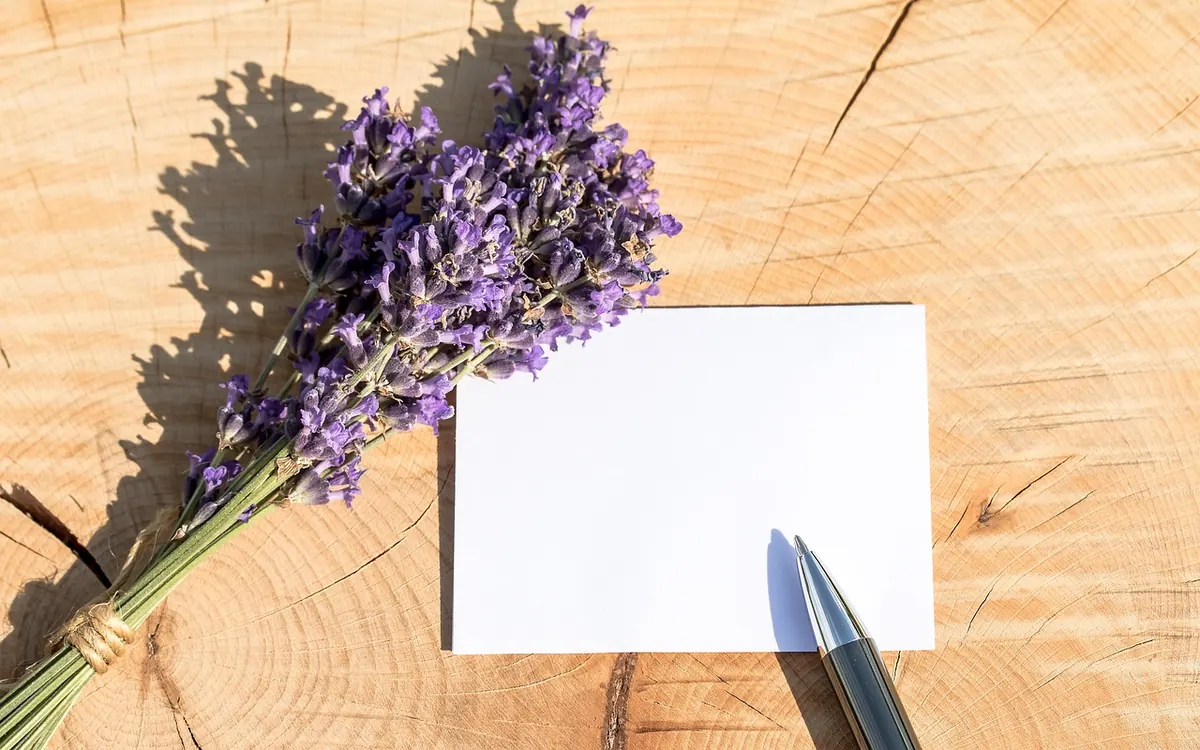
- Cards: plain, lightly textured note cards in white, cream, or soft grey. No jokes, no novelty designs, no glitter.
- Ink: blue or black, from a pen that does not smudge. Test it on a scrap first — a smear across the middle of a thank-you note is hard to ignore.
- Spelling: check the interviewer's name, the company name, and any product or system they mentioned. Read the note aloud once before you seal it.
- Sign-off: "Sincerely," "With thanks," or "Best regards." Print your full name underneath.
- Mailing: first class, correct postage, dropped in a real postbox. If you only have an email address, ask the recruiter for a mailing address — that request is entirely normal.
- Ones to skip: anything scented, folded oddly, or stuffed with a résumé the interviewer already has.
What to Leave Out
Do not apologize for a weak answer or try to redo it in writing. Do not raise salary, benefits, or start dates — those belong in a conversation, not a note. Avoid "just checking in" and any request for an update; you already asked about next steps at the interview, and a note is not the place to ask twice.
Skip the gimmicks. No small gifts, no follow-up essays on industry trends, no corrections to the interviewer's grammar. And never mention another offer as a nudge. If you have a genuine deadline, that belongs in a brief, separate email to the recruiter, stated plainly.
Keep a Box of Notes Where You Can See It
The reason most people skip the handwritten note is not that they disagree with it. It is that they have no cards, no stamps, and no address, and by the time they have gathered all three, a week has passed.
Fix that once. Put a box of plain cards, a working pen, and a book of first-class stamps on the shelf where you keep your keys. After the next interview, writing the note takes the time of one cup of coffee, and mailing it takes a walk. Do it for the interview, then keep doing it — for the person who referred you, for the colleague who stayed late to help, for the manager who gave you a straight answer about a job you did not get. The habit is worth more than any single note.
Photo: Myriams-Fotos / Pixabay

What Your Local Post Office Can Do That a Mailbox Can't
A mailbox only collects mail. The counter hand-cancels, certifies, rents PO boxes, and helps with money...
Paper Weight Explained: Choosing GSM and Texture for Handwritten Letters
A practical guide to paper GSM, caliper, finish, and bleed behaviour, so you can match the right sheet to...
About Us